15 Results for "

Cylicodiscus gabunensis Harms

" in MedChemExpress (MCE) Product Catalog:
Products (15)

15 Results for "Cylicodiscus gabunensis Harms" in MCE Product Catalog:

7
7 Publications Verification
Cat. No.: HY-110171
CAS No.: 881970-80-5
Purity:  99.35%
Target:  

PI3K

Research Areas:  

Cancer

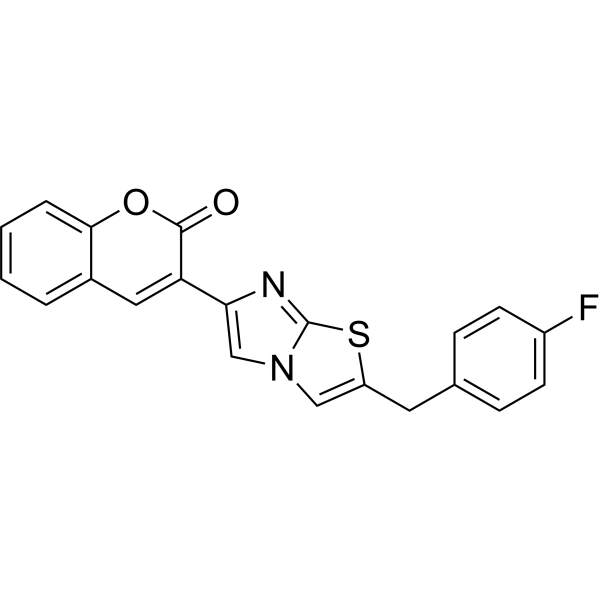
iMDK is a potent PI3K inhibitor and inhibits the growth factor MDK (also known as midkine or MK). iMDK suppresses non-small cell lung cancer (NSCLC) cooperatively with A MEK inhibitor without harming normal cells and mice .
loading...
    loading...
7
7 Publications Verification
Cat. No.: HY-110171A
Purity:  99.37%
Target:  

PI3K

Research Areas:  

Cancer

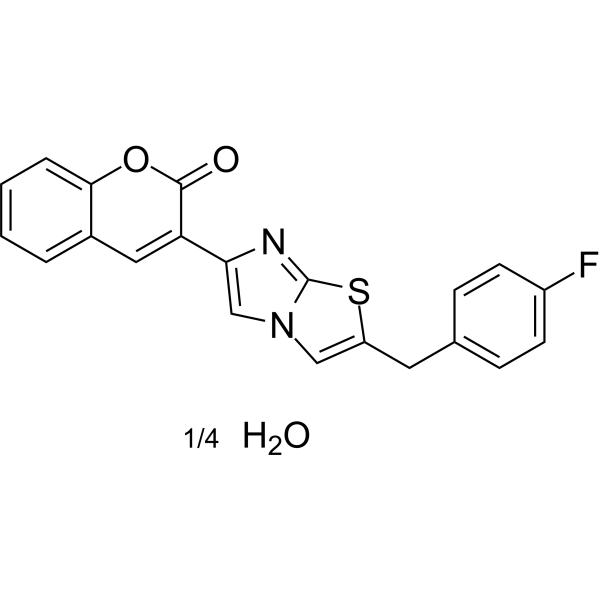
iMDK quarterhydrate is a potent PI3K inhibitor and inhibits the growth factor MDK (also known as midkine or MK). iMDK quarterhydrate suppresses non-small cell lung cancer (NSCLC) cooperatively with A MEK inhibitor without harming normal cells and mice .
loading...
    loading...
1
1 Cited Publications
Cat. No.: HY-D0300
CAS No.: 129-73-7
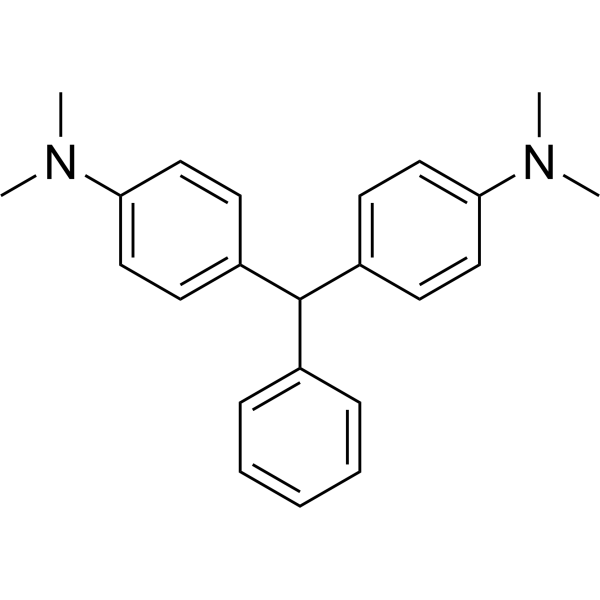
Leucomalachite green is the major reduced metabolite of malachite green (MG) and has lower cytotoxicity (such as HEp-2 and Caco-2) than malachite green. Leucomalachite green may be involved in interfering with cell metabolism or redox balance and can be used to evaluate its potential harm to human cells as a food contaminant .
loading...
    loading...
1
1 Cited Publications
Cat. No.: HY-N4134
CAS No.: 114906-74-0
Ciwujianoside C3, an orally active and brain penetrated compound, is isolated the leaves of Acanthopanax henryi Harms. Ciwujianoside C3 has anti-inflammatory effect and can reinforces object recognition memory .
loading...
    loading...
Cat. No.: HY-113201
CAS No.: 25597-07-3
Purity:  ≥98.0%
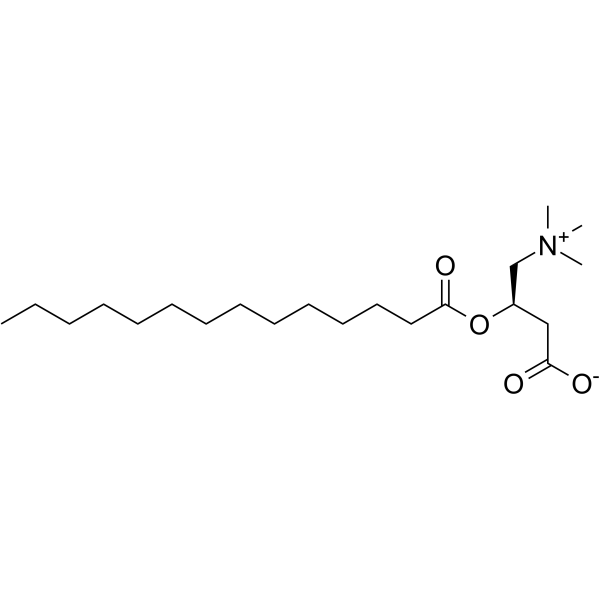
Tetradecanoylcarnitine is an acylcarnitine involved in mitochondrial β-oxidation of long-chain saturated fatty acids and fatty acid metabolism. Tetradecanoylcarnitine serves as a biomarker for very long-chain acyl-CoA dehydrogenase deficiency and MPTP (HY-15608)-induced Parkinson's disease. Tetradecanoylcarnitine exhibits a characteristic significant elevation in plasma levels in patients with sarcopenia, including those complicated with hypertension, and this elevation is closely associated with an increased risk of death. Tetradecanoylcarnitine is widely used in research on the pathological mechanisms of diseases such as Parkinson's disease and sarcopenia .
loading...
    loading...
Cat. No.: HY-W041608
CAS No.: 26172-55-4
Methylchloroisothiazolinone is a widely used fungicide and also an aquatic pollutant with pro-inflammatory activity and neurotoxicity. Methylchloroisothiazolinone induces the production of pro-inflammatory cytokines (such as IL-1β, TNF-α, IL-6) by activating the NF-κB signaling pathway and upregulating TLR4 expression, thereby triggering allergic contact dermatitis. Methylchloroisothiazolinone reduces cholinesterase activity and exacerbates oxidative stress by impairing catalase activity and disrupting redox balance. Methylchloroisothiazolinone poses significant harm to Mediterranean mussels, reducing the viability of hemocytes and digestive gland cells, inhibiting immune phagocytic function, and disrupting osmoregulatory capacity. Methylchloroisothiazolinone is used in studies on allergic contact dermatitis and related immunotoxicity mechanisms .
loading...
    loading...
Cat. No.: HY-W127739
CAS No.: 12122-67-7
Synonyms: Zinc ethylene-1, 2-bisdithiocarbamate
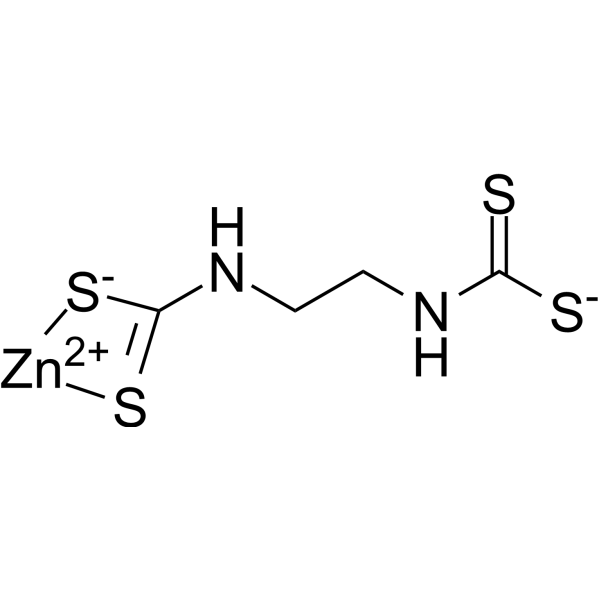
Zineb is an agricultural fungicide of the dithiocarbamate class. Its toxicity is relatively low, and there is little evidence of human harm from exposure. Oxidative stress is one of the main factors contributing to diseases caused by Zineb. Zineb does not alter the activity of any superoxide dismutase enzymes. Catalase (CAT) activity was reduced only by Zineb.
loading...
    loading...
Cat. No.: HY-109028
CAS No.: 1801749-44-9
Synonyms: TR2-A
Ceclazepide (TR2-A), a CCK2R antagonist, is an orally active Mycobacterium abscessus inhibitor. Ceclazepide inhibits acid secretion in rats. Ceclazepide effectively suppresses the growth of M. abscessus wild-type strain and multiple subspecies. Ceclazepide inhibits M. abscessus growth within macrophages without causing harm .
loading...
    loading...
Cat. No.: HY-D0300S1
CAS No.: 1173021-13-0
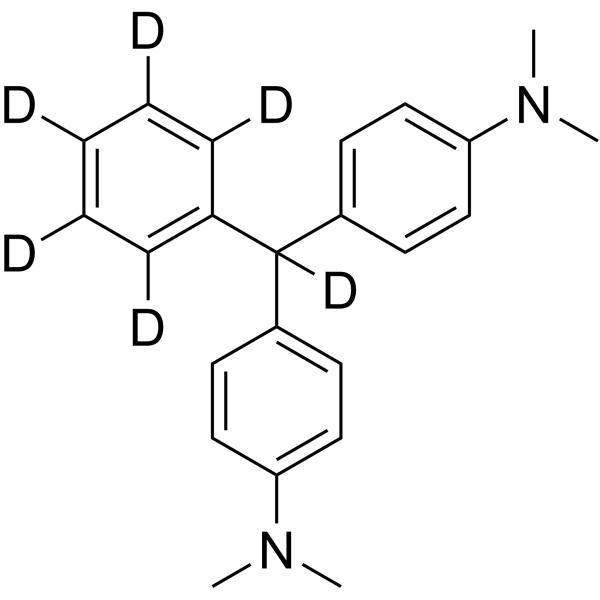
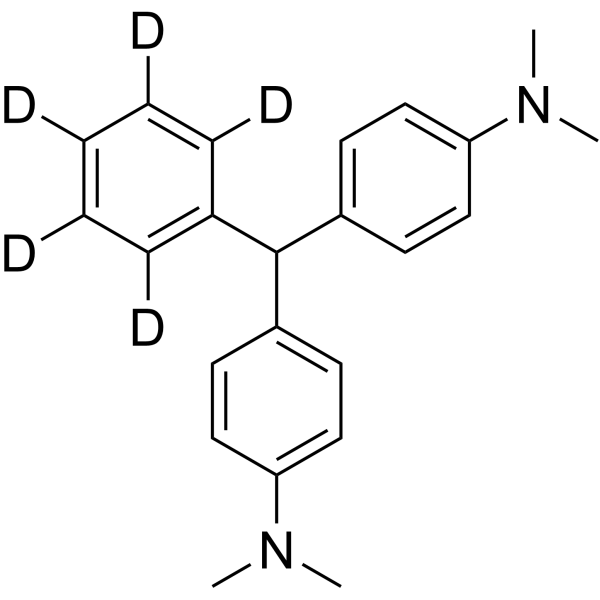
Leucomalachite green-d6 is the deuterated derivative of Leucomalachite green (HY-D0300). Leucomalachite green is the major reduced metabolite of malachite green (MG) and has lower cytotoxicity (such as HEp-2 and Caco-2) than malachite green. Leucomalachite green may be involved in interfering with cell metabolism or redox balance and can be used to evaluate its potential harm to human cells as a food contaminant .
loading...
    loading...
Cat. No.: HY-119846
CAS No.: 550-79-8
Purity:  99.68%
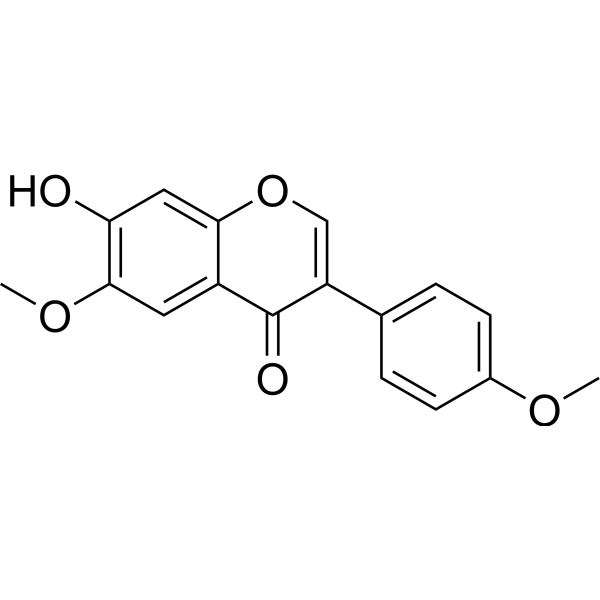
Afromosin is an isoflavone, that can be isolated from Millettia dielsiana Harms. Afromosin exhibits remarkable tumor inhibitory effects .
loading...
    loading...
Cat. No.: HY-N16656
CAS No.: 38424-95-2
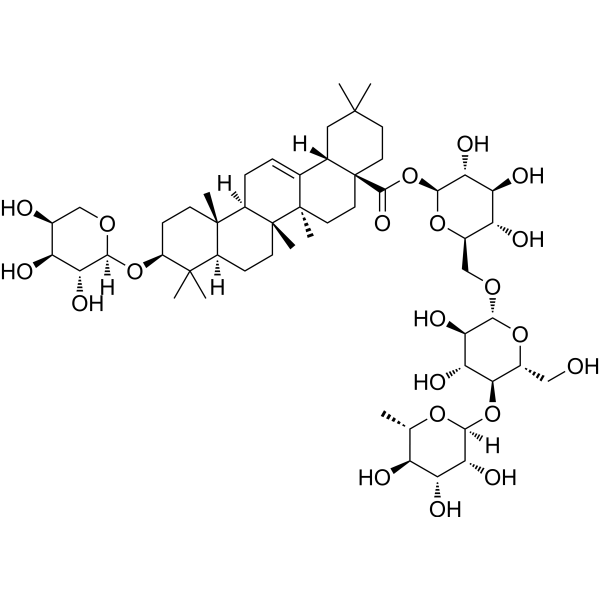
Ladyginoside A is a triterpenoid saponin found in the leaves of Polyscias fruticosa (L.) Harms. Ladyginoside A has inhibitory activities against α-amylase and α-glucosidase, and can regulate carbohydrate metabolism. Ladyginoside A also exhibits potential anti-inflammatory and mast cell stabilizing effects. Ladyginoside A can be used for the researches of inflammation and metabolic disease, such as diabetes .
loading...
    loading...
Cat. No.: HY-D0300S
CAS No.: 947601-82-3
Leucomalachite green-d5 is the deuterated derivative of Leucomalachite green (HY-D0300). Leucomalachite green is the major reduced metabolite of malachite green (MG) and has lower cytotoxicity (such as HEp-2 and Caco-2) than malachite green. Leucomalachite green may be involved in interfering with cell metabolism or redox balance and can be used to evaluate its potential harm to human cells as a food contaminant .
loading...
    loading...
Cat. No.: HY-D0300R
CAS No.: 129-73-7
Leucomalachite green (Standard) is the analytical standard of Leucomalachite green (HY-D0300). This product is intended for research and analytical applications. Leucomalachite green is the major reduced metabolite of malachite green (MG) and has lower cytotoxicity (such as HEp-2 and Caco-2) than malachite green. Leucomalachite green may be involved in interfering with cell metabolism or redox balance and can be used to evaluate its potential harm to human cells as a food contaminant .
loading...
    loading...
Cat. No.: HY-181017
Ola-NC-SS-PEG-Lap is a selective immunogenic cell death inducer. Ola-NC-SS-PEG-Lap exploits the synergistic interplay between an NQO1-bioactivated compound and a PARP inhibitor to selectively induce immunogenic cell death in tumor cells without harming normal cells. Ola-NC-SS-PEG-Lap induces ROS accumulation, increases DNA damage. Ola-NC-SS-PEG-Lap can be activated by GSH and release Ola, ultimately producing the synergistic antitumor effect with the Lap portion. Ola-NC-SS-PEG-Lap has anti-cancer activity against colon cancer .
loading...
    loading...
Cat. No.: HY-L100
146 compounds

Cancer is a multi-step process which involves initiation, promotion and progression. Chemical carcinogens can alter any of these processes to induce their carcinogenic effects. People are continuously exposed exogenously to varying amounts of chemicals that have been shown to have carcinogenic or mutagenic properties in experimental systems. Exposure can occur exogenously when these agents are present in food, air or water, and also endogenously when they are products of metabolism or pathophysiologic states such as inflammation. The administration of chemical carcinogens is one of the most commonly used methods to induce tumors in several organs in laboratory animals in order to study oncologic diseases of humans. MCE offers a unique collection of 146 chemical carcinogens which have been identified with carcinogenic activity either in humans or in animal models. MCE Tumorigenesis-Related Compound Library is a powerful tool for studying oncologic diseases of humans. Standard opration based on safety data sheet will not cause harm to the body.

  • 1

